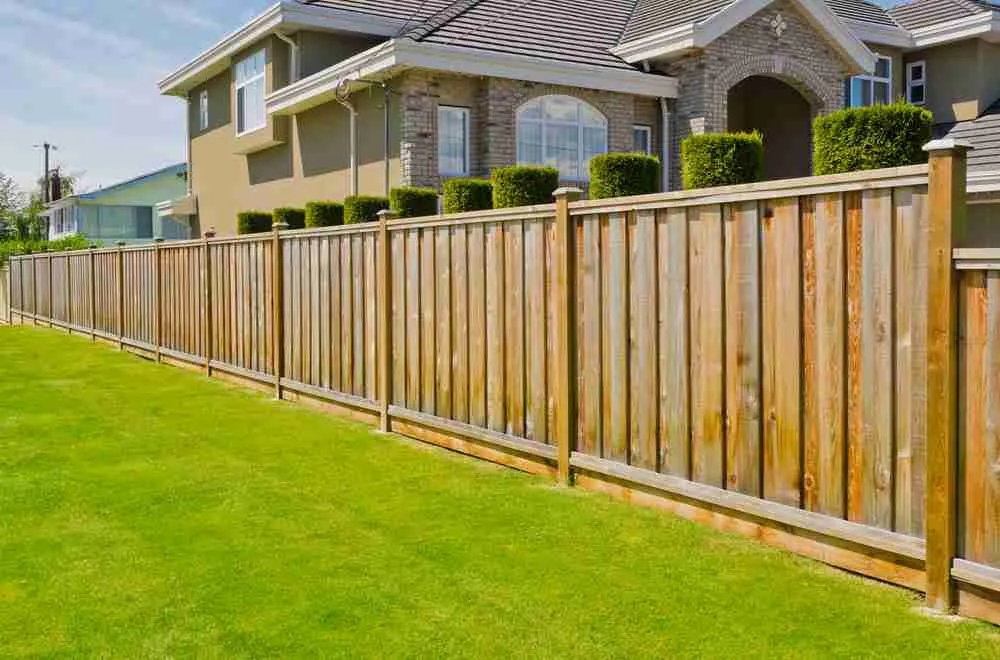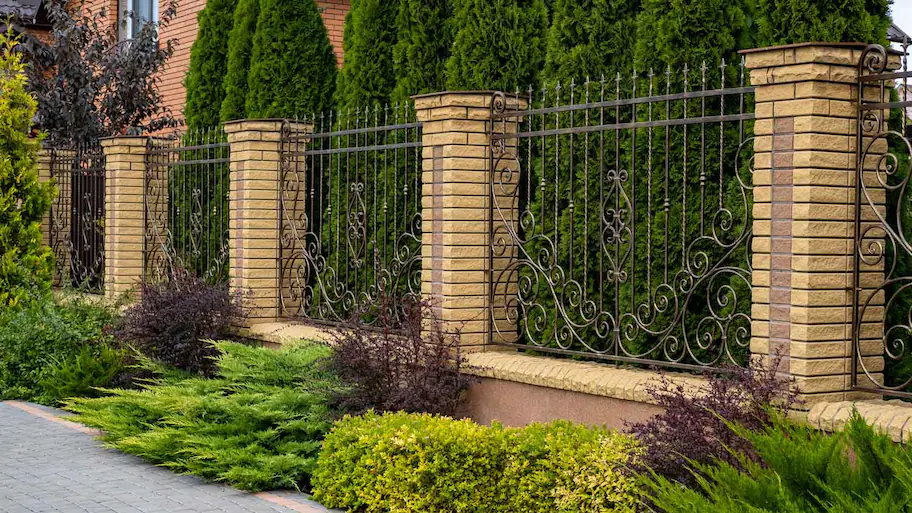
A well-planned boundary adds value and safety to any property. Strong fencing supports privacy and guards open areas from unwanted access. Proper groundwork and measured assembly help each section remain firm during harsh weather and daily wear. Skilled planning reduces future repair needs and improves overall durability. Every stage requires care, accurate tools, and trained workmanship to maintain lasting strength for fence installation.
Ground Preparation Methods
Strong results begin with soil study and layout marking. Clear lines guide accurate post spacing and prevent uneven alignment. Removing loose debris guarantees the base can hold weight without shifting over time. Balanced planning allows the structure to stay upright even under pressure.
Post Setting Standards
Post placement forms the backbone of structural balance. Each support must sit at the correct depth to avoid leaning. Concrete filling secures the base and limits movement caused by moisture changes. Straight alignment checks during curing prevent later correction work. Reliable spacing strengthens the entire fencing frame from corner to corner.
Material Selection Factors
Choosing durable materials improves long-term performance and lowers repair costs. Quality wood or treated metal resists moisture and surface damage. Coated finishes reduce rust formation and fading over time. Proper thickness supports panel weight without bending or cracking. Smart material choice protects fencing strength in changing weather conditions.

Secure Panel Attachment
Panel fixing requires accurate measurement and steady handling. Strong fasteners connect rails firmly to support posts. Balanced positioning prevents sagging between sections. Regular level checks maintain uniform height across the boundary. Good attachment methods increase structural life and reduce future maintenance.
Long-Term Maintenance Practices
Routine care keeps boundaries firm and reliable through changing seasons.
- Inspect posts frequently for cracks or soil movement signs
- Apply protective coating to prevent rust and decay
- Tighten loose fasteners to maintain structural balance
- Clear surrounding debris that traps unwanted moisture
- Check alignment after heavy storms for safety assurance
Consistent review combined with simple upkeep prolongs the life span. Early repair avoids costly replacement and keeps fencing stable in all situations. Consistent attention protects investment and supports long-lasting performance for fence installation.
Careful base work, secure supports, and strong materials work together to resist pressure from wind or soil changes. Attention to alignment prevents uneven load on panels. Regular upkeep preserves strength and prevents early damage. By following these methods, property owners achieve safe boundaries that remain dependable for many years while maintaining solid fencing support.
FAQ
What depth should posts reach for better stability support?
Posts should reach below frost level for a stronger foundation grip.
Why is material quality important for boundary durability?
Good material resists moisture damage and prevents early weakening.
How often should boundary structures undergo inspection checks?
Inspection twice yearly helps detect minor issues before growth.